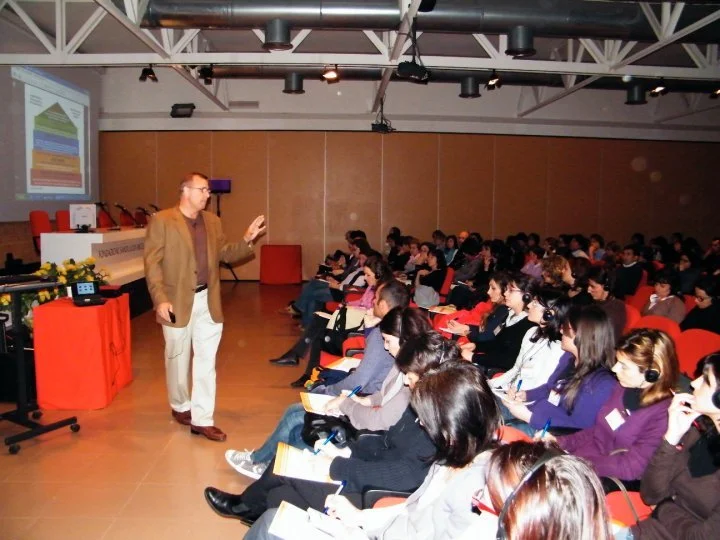
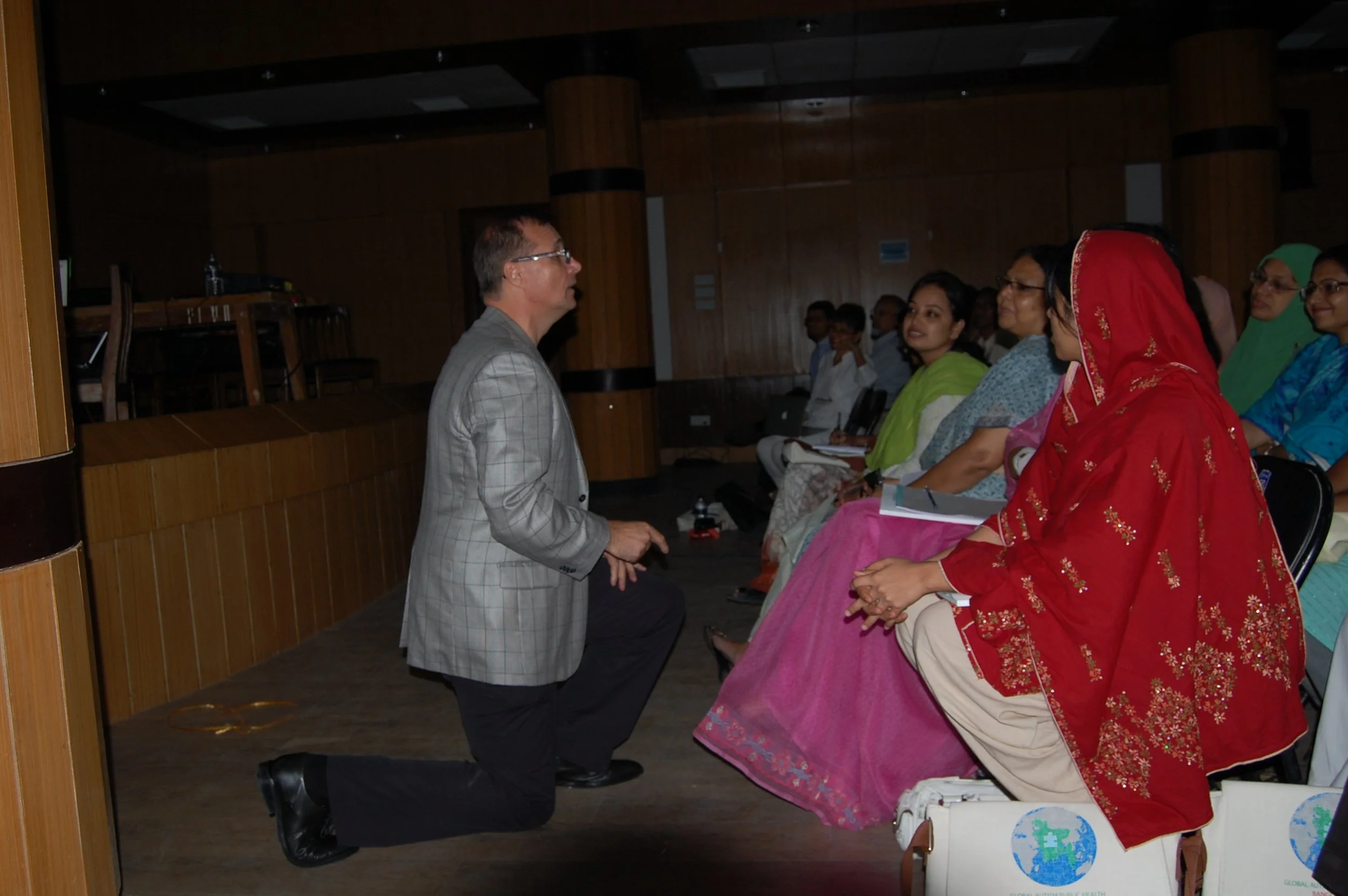
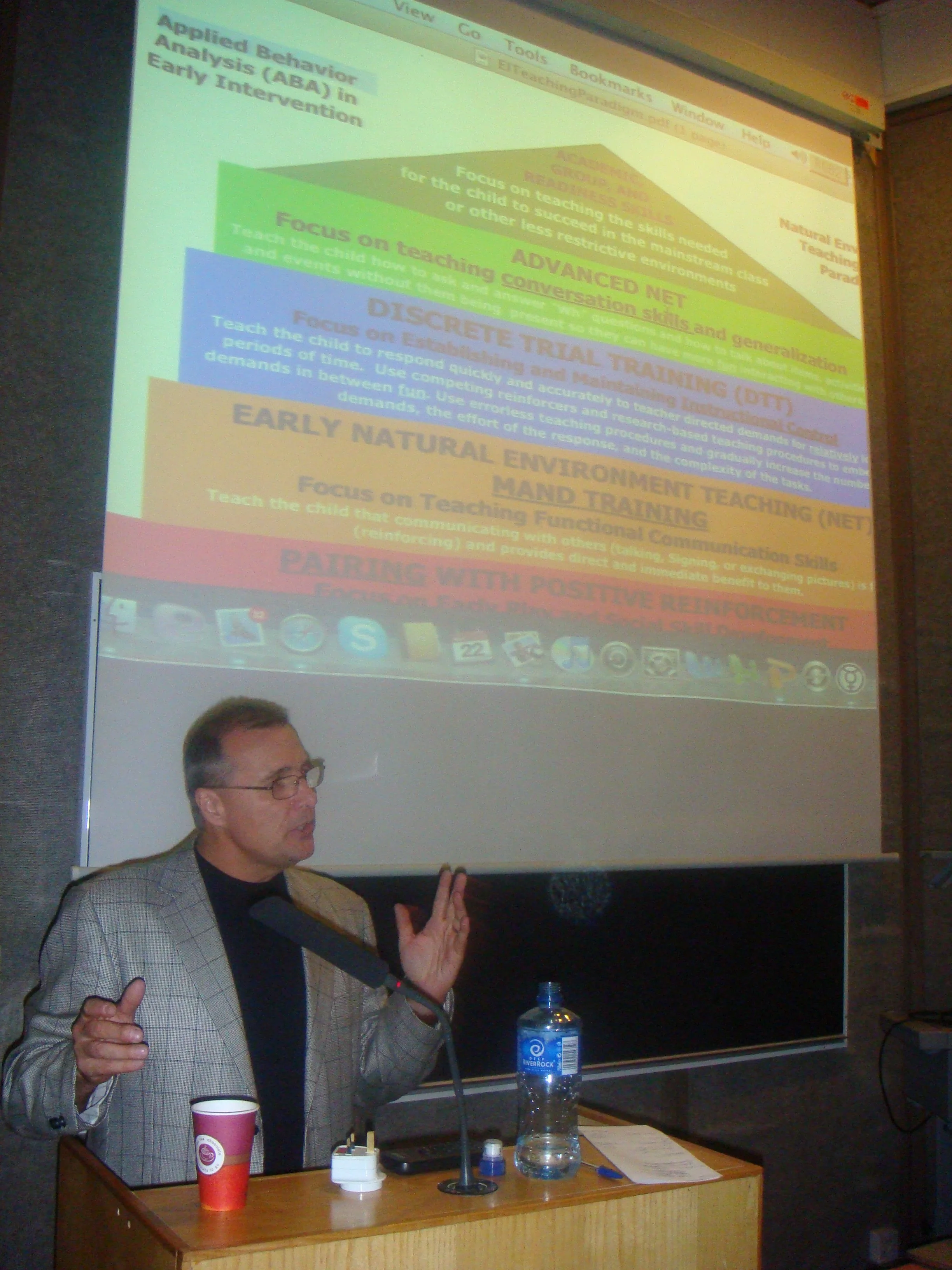
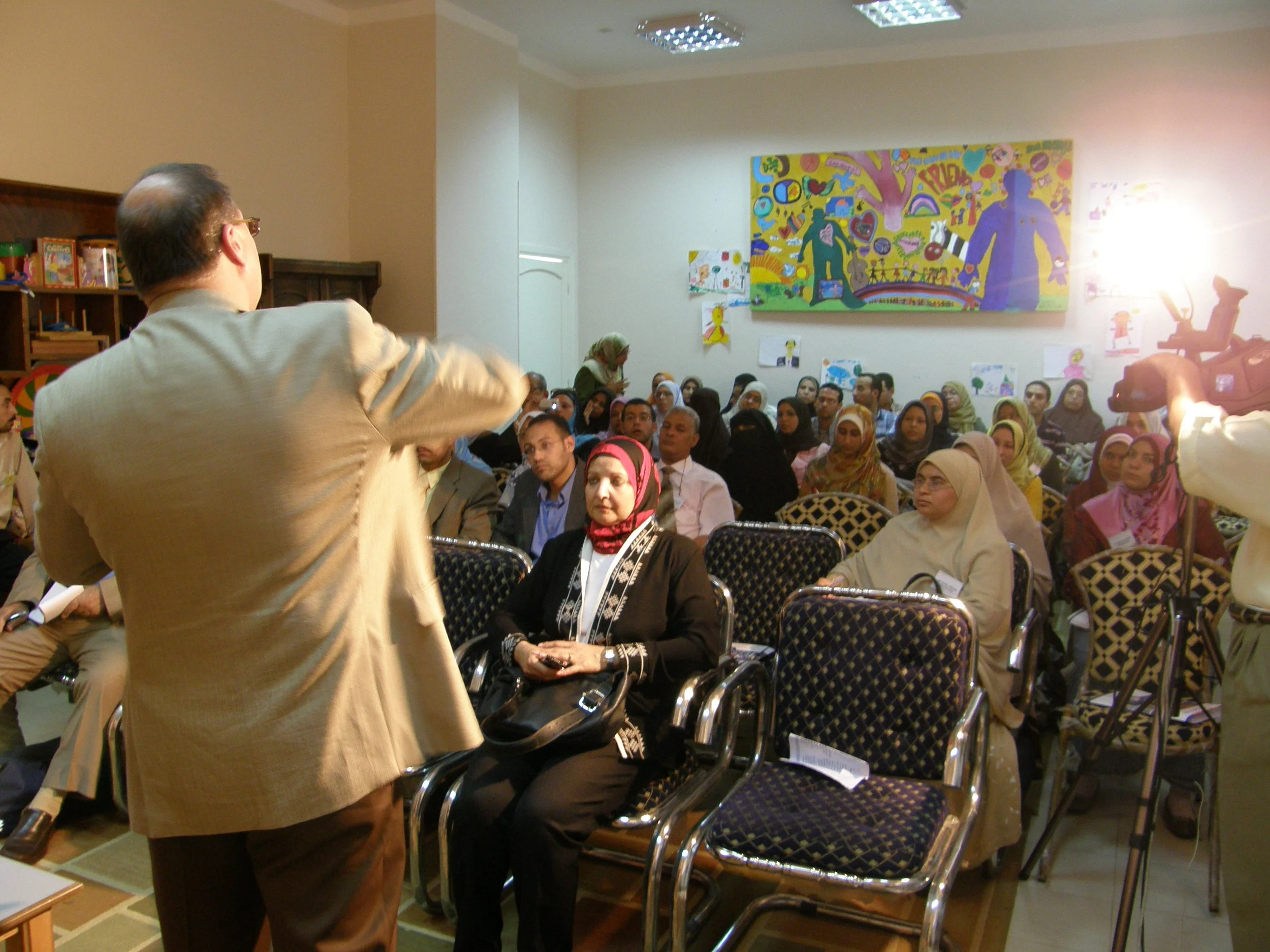
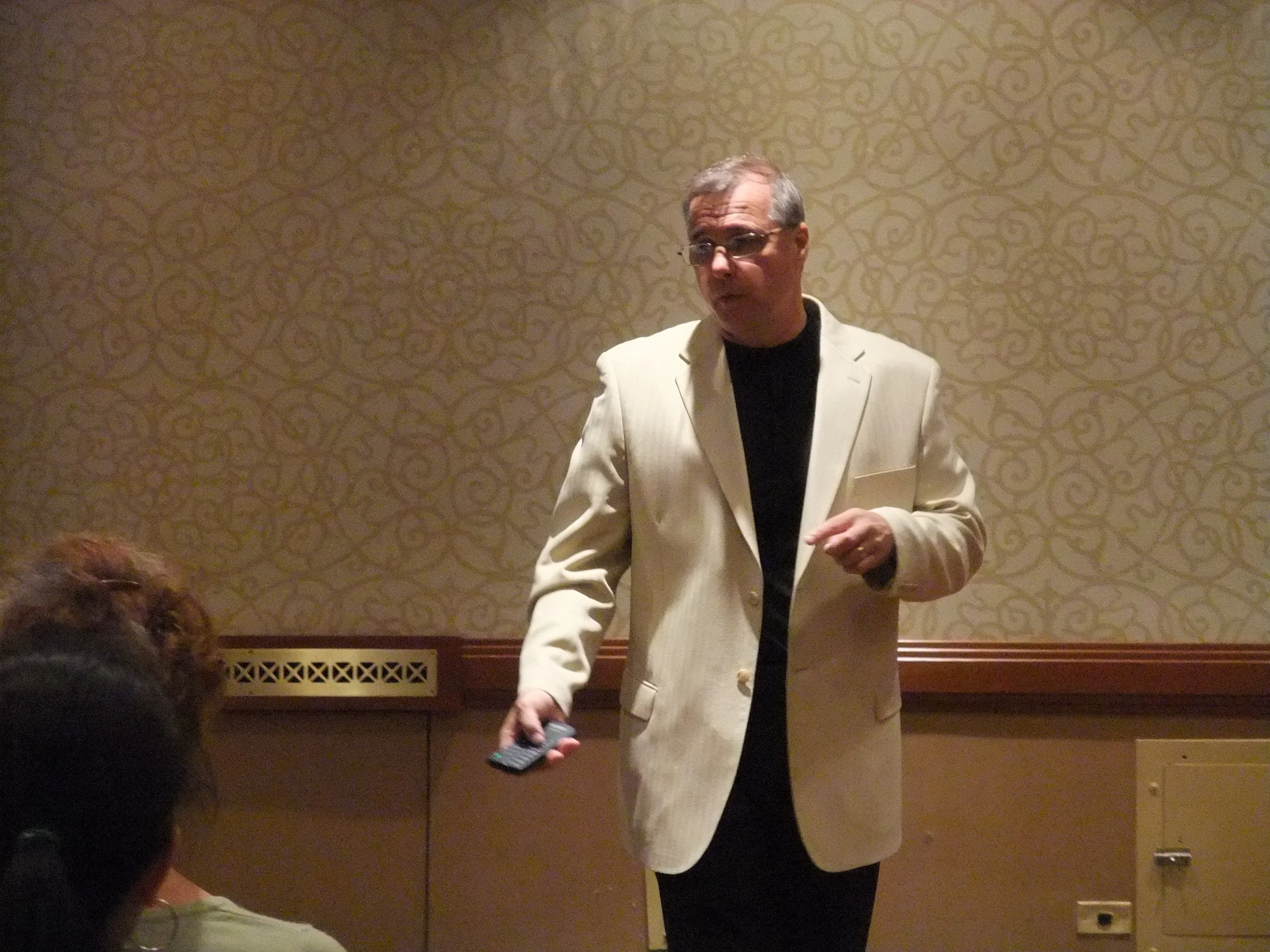
This is what success looks like.
You've already tried everything they told you to try. There is a reason it hasn't worked. And there is a way through it.
The situation most families know too well.
Your child looks at you — their own parent, their own teacher — and wants to get away from you. And you don't know why. And nobody can tell you how to fix it. And every day that passes, the distance grows.
Years of meetings. Reports. Strategies. Good people trying hard. And yet — you leave every single one in the exact same place you started. Frozen. Too many voices pulling in too many directions. Not knowing who to believe or what to try next.
When our daughter Alicia was three years old, we put her on a bus with tears rolling down our faces — and watched her go crying to a place she hated every single day. For three years.
The teachers and paraprofessionals at school loved Alicia and would do anything to help her. And I was doing everything I knew how to do — asking her questions on the ride home, requiring responses she struggled to give. She would cover her ears and shout "no school, no school." Linda knew something was wrong with the way Alicia was being taught long before I did. Our district's autism program was being guided by the most respected institution in the world at that time — the kind of place wealthy parents crossed oceans to reach. I leaned on that hard.
She was dead right. I was dead wrong. I don't say that very often — but it's the truth.
None of us knew we were making it worse. We just hadn't been taught yet.
When Alicia was six, we attended an autism conference and saw Dr. Vincent Carbone on the schedule presenting on ABA. Our first instinct was to skip it. Three years of watching our daughter suffer — every behavior of hers screaming don't send me back. On the rare occasions we were given the chance to observe, we'd stand behind that glass and watch her. Our little girl was never happy. She wanted nothing to do with any adult in that room — and honestly, none of them looked like they wanted to be there either. We always left with a pit in our stomachs. We were absolutely done with ABA.
I almost didn't walk into that room.
Thank God we stayed.
We were sitting there watching Dr. Carbone work with a little girl on the screen. A little girl who looked exactly like Alicia. And my wife Linda — who had been holding three years of I told you inside her chest — hit me with an elbow sharp enough to break a rib and said exactly that. See. I told you.
She had been telling me for three years.
She was dead right. I was dead wrong.
I walked out of that room knowing one thing. I had become a giant reflexive EO — the science term for a person whose very presence makes a child want to run the other direction. I didn't know yet how I was going to explain that to another human being. I didn't care. The only thing I was completely convinced of was this:
My daughter was going to start liking me whether she liked it or not.
People laugh when I say that at workshops. But it's the laugh of recognition. Every parent in that room has had that moment.
Three days later, Alicia started coming to me. Not because I had a treat. Because I walked out of that training with something I hadn't had before — one clear step I could actually take. I took it. And three days later my daughter started choosing to be near me.
I saw that little girl on the screen and something hit me that I still don't have a clean word for. Three years. Everything I thought I was doing right. And now I could see all of it clearly for the first time.
That moment lives in every workshop I've ever given. Because every parent in that room is waiting for it — whether they know it or not.
Now my granddaughter is walking the same road Alicia walked. And I'm back — because this time, I'm not the one who doesn't know what to do.
Three steps from where you are to where you need to be
Step 1 — Tell us what's happening
One conversation. No jargon. No judgment. Tell us about your child, your school, your community. We'll tell you honestly whether Tom is the right fit — and what that looks like.
Step 2 — Tom comes to you
A workshop designed around your community's specific situation. Tom brings the science in plain language — with video, with humor, and with twenty years of proof from twelve countries. The people in that room leave different than they walked in.
Step 3 — You leave with something you didn't have before
Not a miracle. Not a quick fix. Something more valuable than either of those — a clear picture of what's happening, why it's happening, and what to do next. For the first time, you have a direction. And that changes everything.
For the first time, you understand what's happening, why it's happening, and exactly what to do next. No jargon. No guesswork. Just clarity, the confidence to advocate for your child like never before, and the science to back you up.
Voices From the Field
Hear directly from educators and parents whose classrooms and families were transformed.
What Others Are Saying
A glimpse of the experiences shared by families, educators, and specialists around the world.
"When someone shares something of value with you, and you benefit from it, you have a moral obligation to share it with others."
— A Chinese Proverb. The reason Tom does what he does.
Years ago, Tom watched Dr. Vincent Carbone work with a child on a screen — and for the first time, saw clearly what the next first step looked like. Three days later, his daughter started choosing to be near him.
That moment lives in every workshop Tom has ever given. Not because the science isn't complicated — it is — but because the next first step never is, once someone shows it to you.
Tom doesn't have all the answers. Nobody does. What he has is decades of relationships with the right people — classroom teachers, behavior analysts, speech-language pathologists — who have done the hard daily work in real classrooms with real children. When someone comes to Tom with a problem, his job is simple: get the right person in front of the right problem, and show them the next first step.
That is what Tom and his colleagues have spent their careers doing. For parents. For teachers. For schools. Wherever there is a need.
Shenzhen, China — where Tom shared this proverb with 120 parents and teachers from local special schools. It was, he said, the reason he was there.
What's Your Next Step?
Tell us what's happening. We'll help you find it.
Start the ConversationNo commitment. No jargon. Just an honest conversation.